

Case Study
Enabling 100,000+ Rural Persons with Disabilities with Livelihood Opportunities
Project Overview
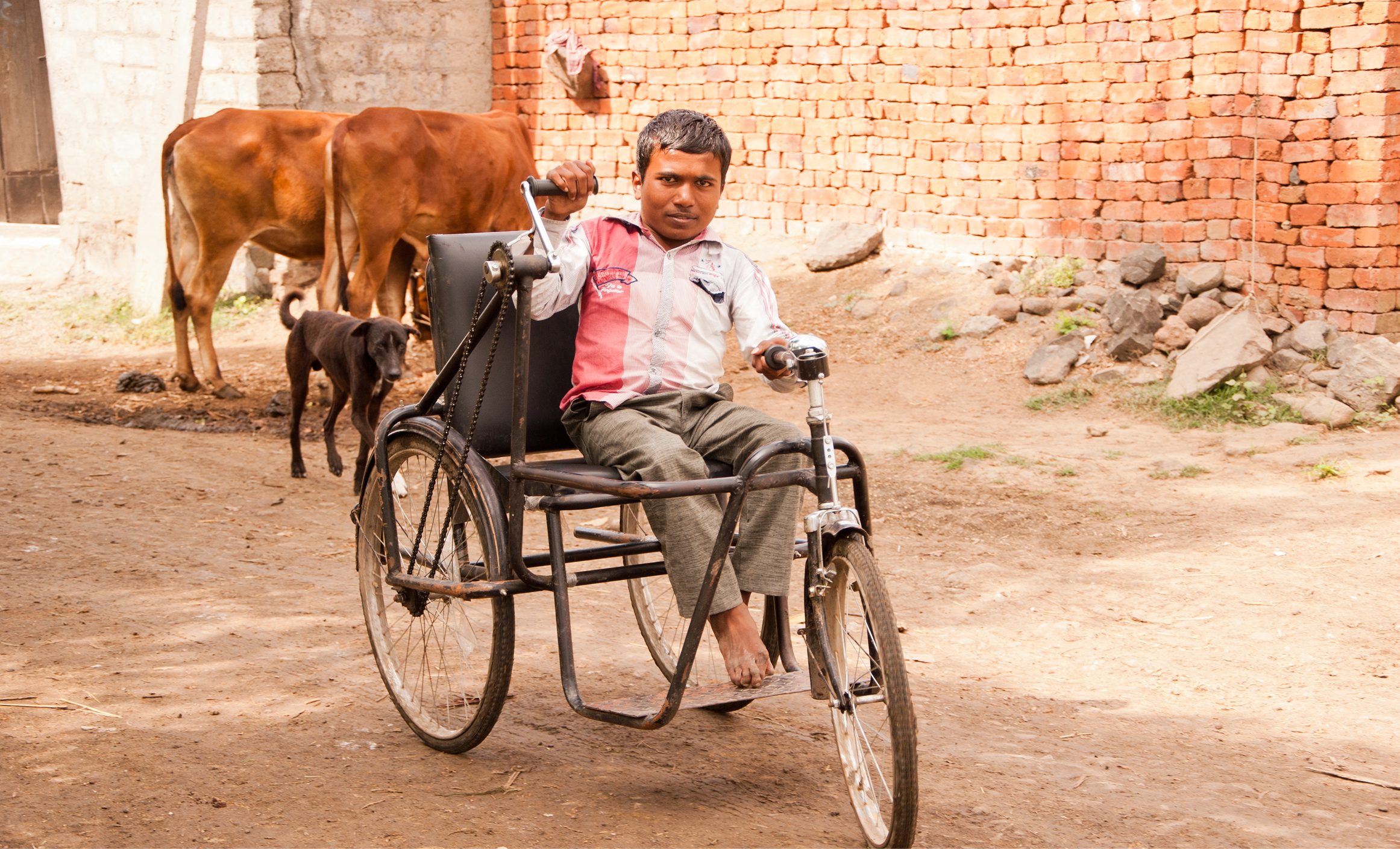
In collaboration with Enable India, we supported their Garv Se Program, which has positively impacted over 3,500 persons with disabilities (PwDs) using a hub-and-spoke model. The project’s goal is to scale the program to impact 100,000 PwDs in its next phase and eventually reach 8 million. The approach focuses on transitioning from a centralised intervention system to a decentralised, platform-based solution.
Engagement Structure
Over the course of two months, a team of 3 consultants worked alongside Enable India to conduct user research and develop Version 1 of a new Monitoring, Evaluation, and Learning (MEL) platform. This phase is part of a long-term strategic partnership that includes product management, strategy, design, technology, data, and experimentation to facilitate the program's scaling journey.
Key Objectives
-

Scaling the program:
Enable India’s aim is to scale from the 0->1 stage to 1->10, impacting 100,000 PwDs, and eventually 10->100, reaching 8 million people.
-

Transition to decentralisation:
Transition from a centralised model to a decentralised platform, empowering local stakeholders to drive the program’s expansion.
-

MEL Platform Development:
Develop Version 1 of a robust MEL platform to track and evaluate the program’s impact and efficiency as it scales.
-

User Research:
Conduct extensive research to understand the needs, challenges, and aspirations of PwDs and Enable India Program and Government stakeholders, laying the groundwork for informed design and strategy decisions.
Methodology
The engagement followed a structured process to ensure insights from the field directly informed the platform design and strategic decisions:
In-depth interviews:
Conducted interviews with 30 stakeholders, including PwDs, local entrepreneurs, and community leaders, to gain a detailed understanding of livelihood challenges, existing program’s impact and operational model, and opportunities.
Focus Group Discussions (FGDs):
Organised 4 FGDs to gather collective insights and feedback on potential solutions and the needs of the community and program team.
User Research & Insights:
Synthesised data from interviews and FGDs to define user personas, identify key pain points, and validate assumptions.
MEL Platform Development (Phase 1):
Developed Version 1 of the Monitoring, Evaluation, and Learning platform, included data collection, storage and data visualisation features at the core. This was designed to measure key program outcomes and enable continuous feedback loops. This was designed to be scalable.
Skills Applied
-
Product Management & Platform Design
-

Data Analytics & Dashboard Development
-

User Research & Fieldwork
-
Monitoring, Evaluation, and Learning (MEL) Systems
-

Strategy & Experimentation
Outcome & Deliverables
- User Research Report: Insights from in-depth interviews and FGDs, with key findings on the needs of rural PwDs and Program Team.
- Version 1 of MEL Platform: A dashboard and tracking system designed to measure the impact and effectiveness of the Garv Se Program as it scales.
- Strategic Recommendations: Detailed recommendations for transitioning to a decentralised platform approach, identifying key partnerships and local champions for scaling.
- Scaling Roadmap: A clear roadmap for the 1->10 and 10->100 scaling phases, with metrics to track success and measure impact across regions.
Impact
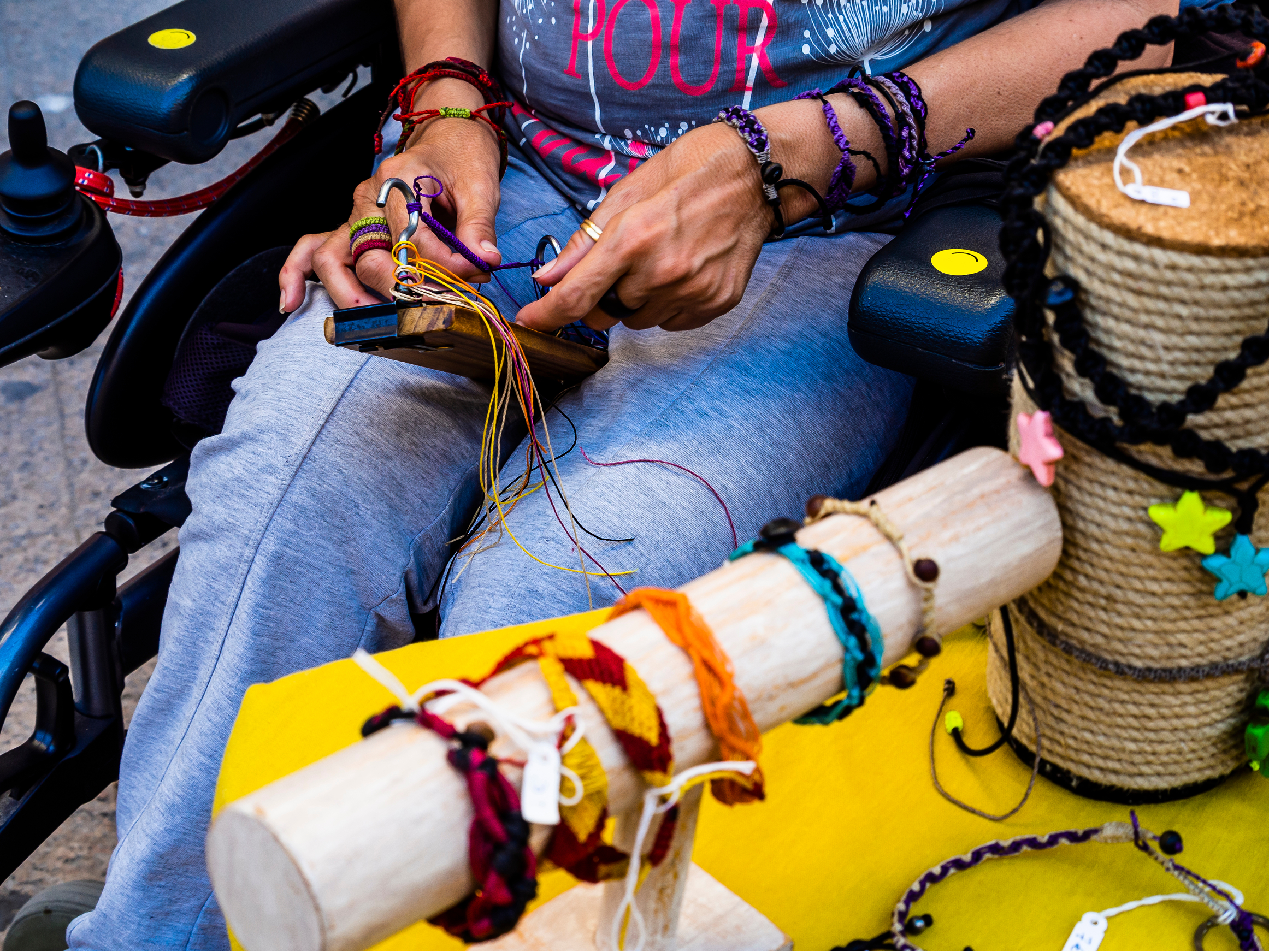
The project sets the foundation for the Garv Se Program to scale its reach from 3,500 PwDs to 100,000 in the next phase, with the long-term goal of impacting 8 million PwDs. The decentralised platform approach will allow for more local engagement, ownership, and sustainable growth, transforming livelihoods for PwDs in rural communities.
Duration
2 months